
How to Care for a Leather Belt in India's Heat, Humidity and Monsoon
Sweat, humidity and monsoon damp are hard on leather. A few minutes a month keeps a full-grain belt supple, mould-free and looking better every year.
Care, by HIDEA Leather Desk, , updated , 3 min read
A good full-grain belt can last ten years or more. In India it faces three particular enemies: sweat in summer, humidity that encourages mould, and soaking during the monsoon. Here is a simple routine that deals with all three.
Daily: let it breathe
- Take the belt out of your trousers at night. Leaving it threaded keeps it bent at the same point and traps sweat.
- Hang it by the buckle or roll it loosely. Don't fold it tightly or leave it under heavy objects.
- Rotate if you can. Wearing two belts on alternate days gives each time to dry out fully, which roughly doubles their life.
Weekly: wipe it down
Wipe the belt with a dry, soft cotton cloth to remove dust and surface sweat. Pay attention to the inside of the strap, which absorbs most of the moisture.
Every 2–3 months: clean and condition
What you need: a soft cloth, a slightly damp second cloth, a mild leather cleaner or saddle soap (or a drop of baby shampoo in water), and a leather conditioner or cream.
- Clean. Wipe with the damp cloth and a little cleaner. Work in small circles. Don't soak the leather.
- Dry. Leave it to air-dry at room temperature for an hour. Never use a hair dryer or direct sun; heat makes leather brittle.
- Condition. Rub a pea-sized amount of conditioner into the leather with your fingers or a cloth. Leather absorbs it best when slightly warm, so working it in by hand helps.
- Buff. After 20 minutes, buff off any excess with a dry cloth.
Conditioning replaces the natural oils lost to sweat and air-conditioning, which is what keeps leather flexible and stops cracks forming at the holes.
Avoid: coconut oil, mustard oil and olive oil. They darken leather unevenly, can turn rancid and attract mould.
During the monsoon
If your belt gets wet
- Remove it from your trousers immediately.
- Blot (don't rub) excess water with a towel.
- Lay it flat at room temperature, away from heaters, fans blowing hot air or sunlight.
- Once completely dry, usually after 24 hours, apply conditioner. Water draws out oils and leaves leather stiff.
Preventing mould
White or green spots on leather are mould, common in coastal cities like Mumbai, Chennai and Kolkata. To prevent it:
- Store belts in a ventilated cupboard, not a sealed plastic bag.
- Put a silica gel sachet or a small cloth bag of rice in the drawer.
- Air your belts in shade on dry days.
If mould appears, wipe it off with a cloth dampened with a 50:50 mix of water and white vinegar, dry fully, then condition.
Caring for the buckle
- Brass darkens naturally. Leave it if you like the aged look, or polish it with a little brass polish, keeping polish off the leather.
- Steel and gunmetal need only a wipe with a dry cloth.
What about patina?
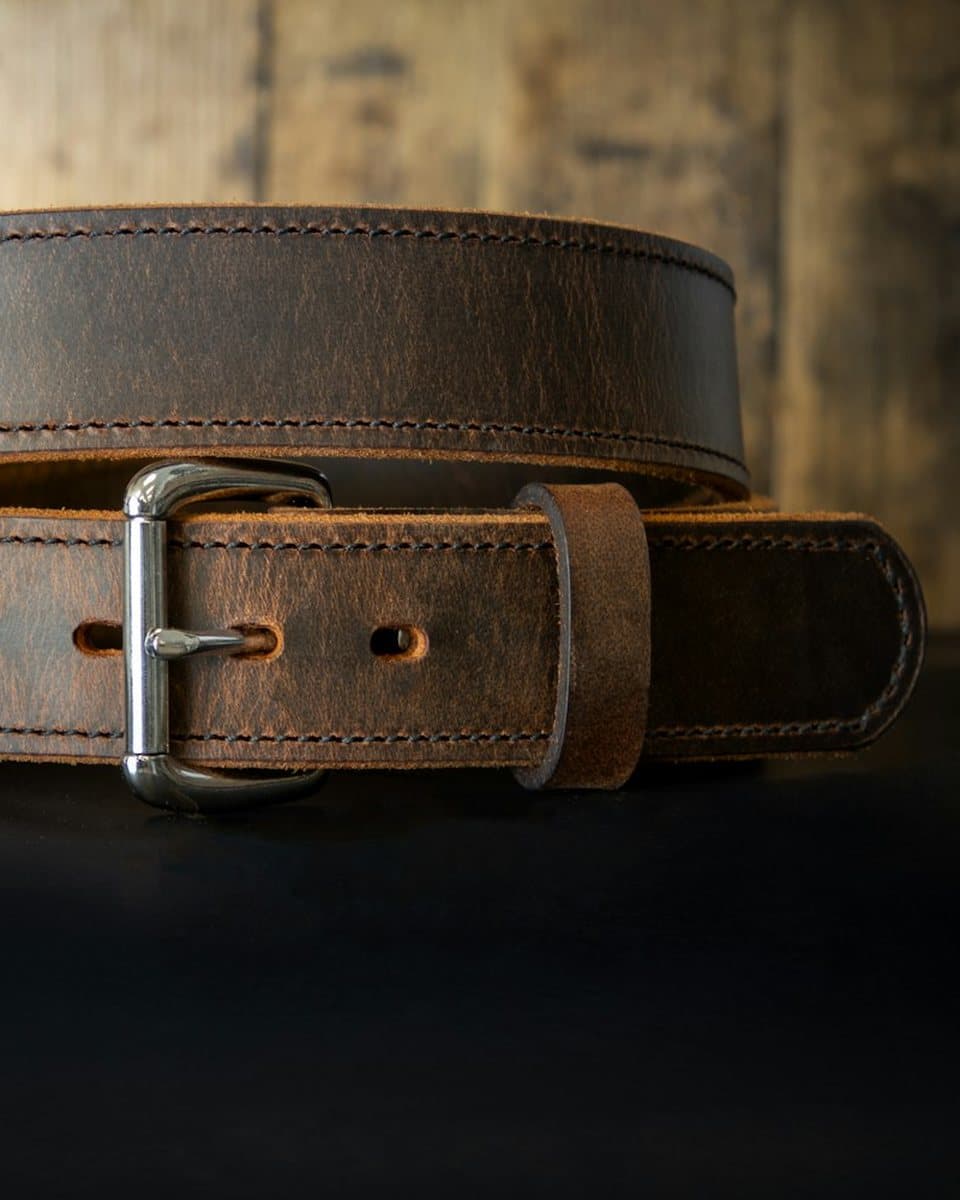
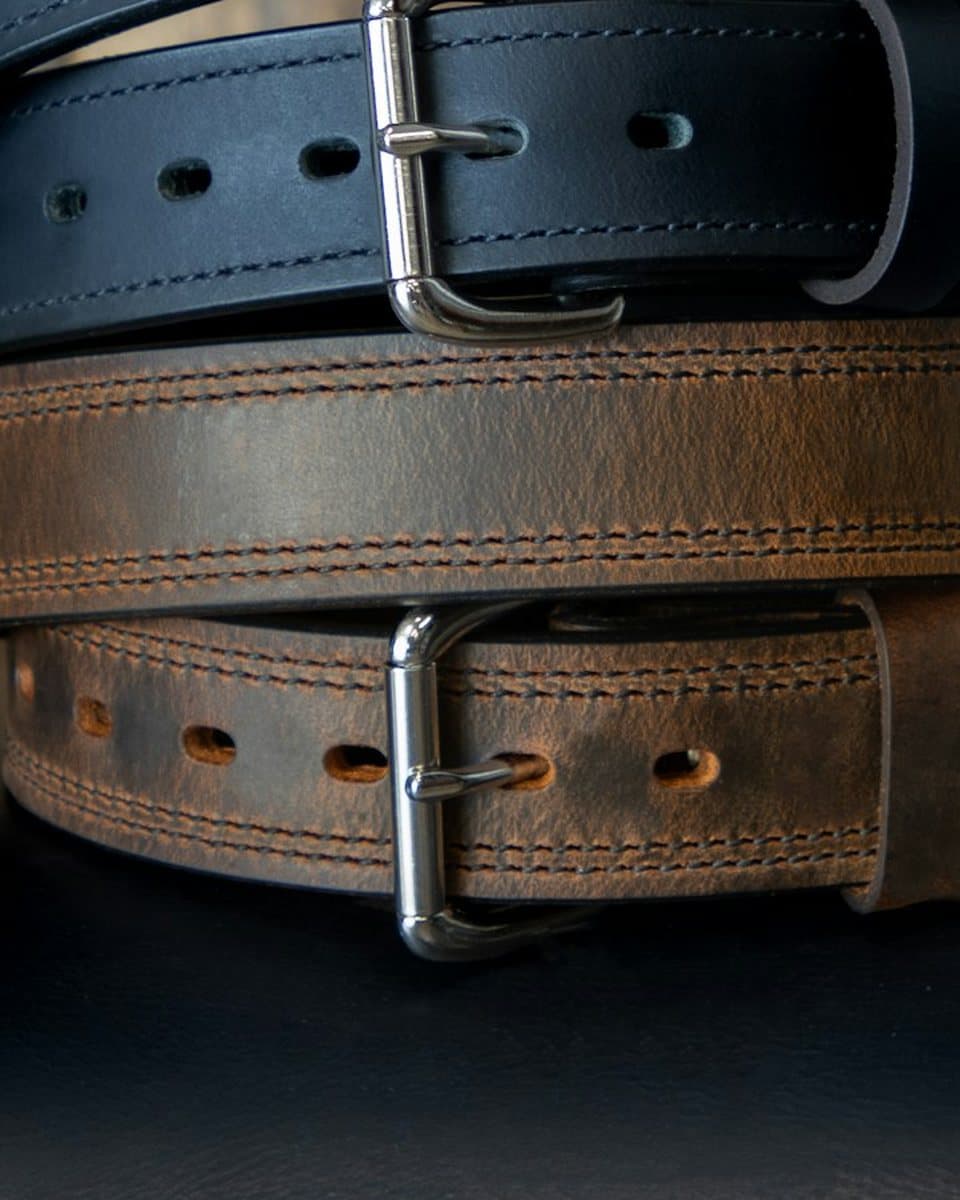
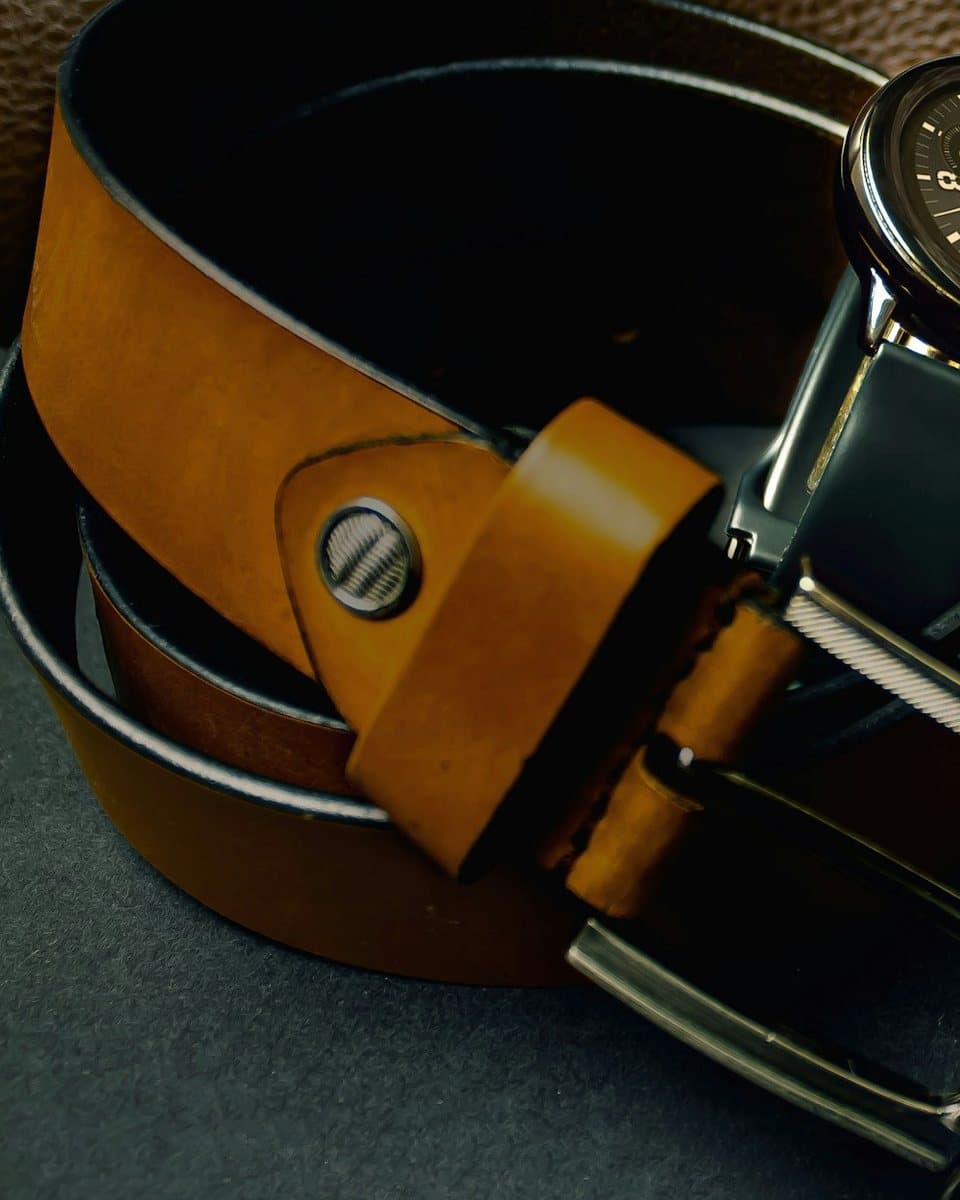
A tan full-grain belt will darken and develop a gentle sheen where it is handled most. That is patina, and it is the sign of real full-grain leather. Conditioning doesn't stop it; it keeps it even. Belts like the Heritage Brass Jeans Belt are designed to develop it.
Coated leathers can't patina, which is one reason full-grain is worth paying for.
Quick reference
| Task | How often |
|---|---|
| Remove from trousers, hang | Daily |
| Dry wipe | Weekly |
| Clean and condition | Every 2–3 months |
| Extra conditioning | After monsoon, or if leather feels dry |
Have a belt that needs help? Send us a photo on WhatsApp and we will tell you what we'd do.
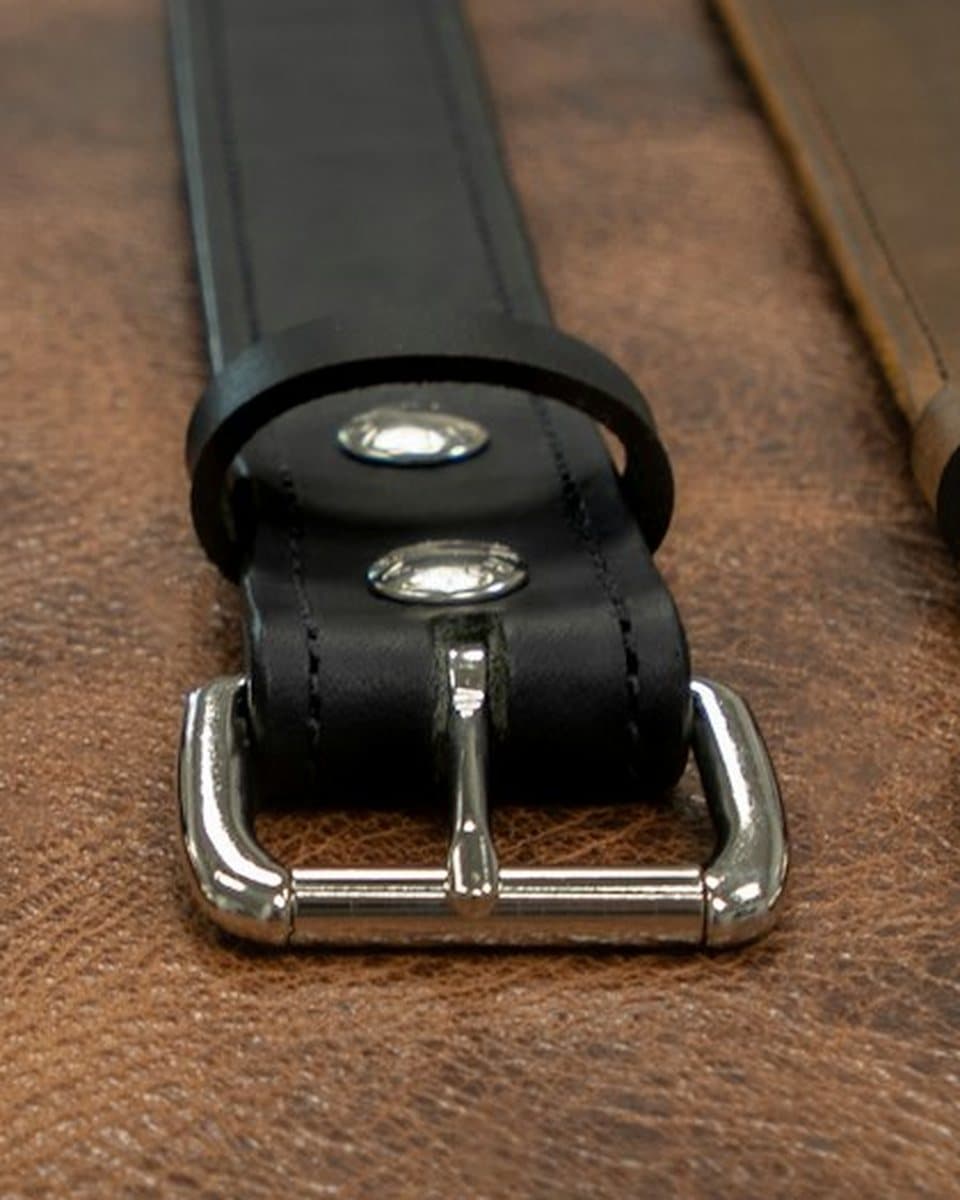
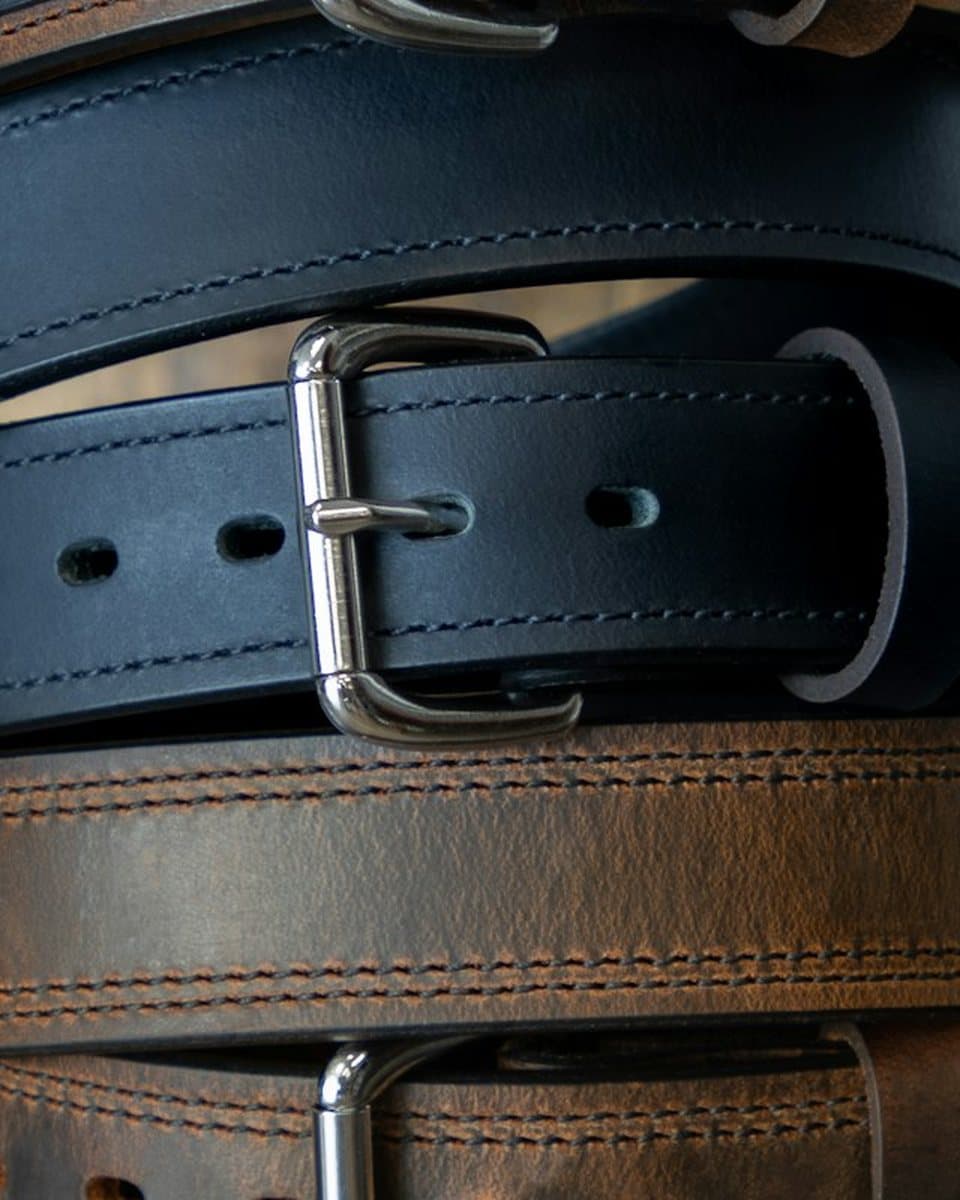
Belts mentioned in this guide
 Bestseller
 Bestseller
Keep reading
Corporate
Corporate Gifting with Leather Belts: A Planner for Diwali, Clients and Employees
Leather belts are practical, personal and used every day, which is what a good corporate gift should be. Here is how to plan an order, budget it and avoid the sizing problem.
Style
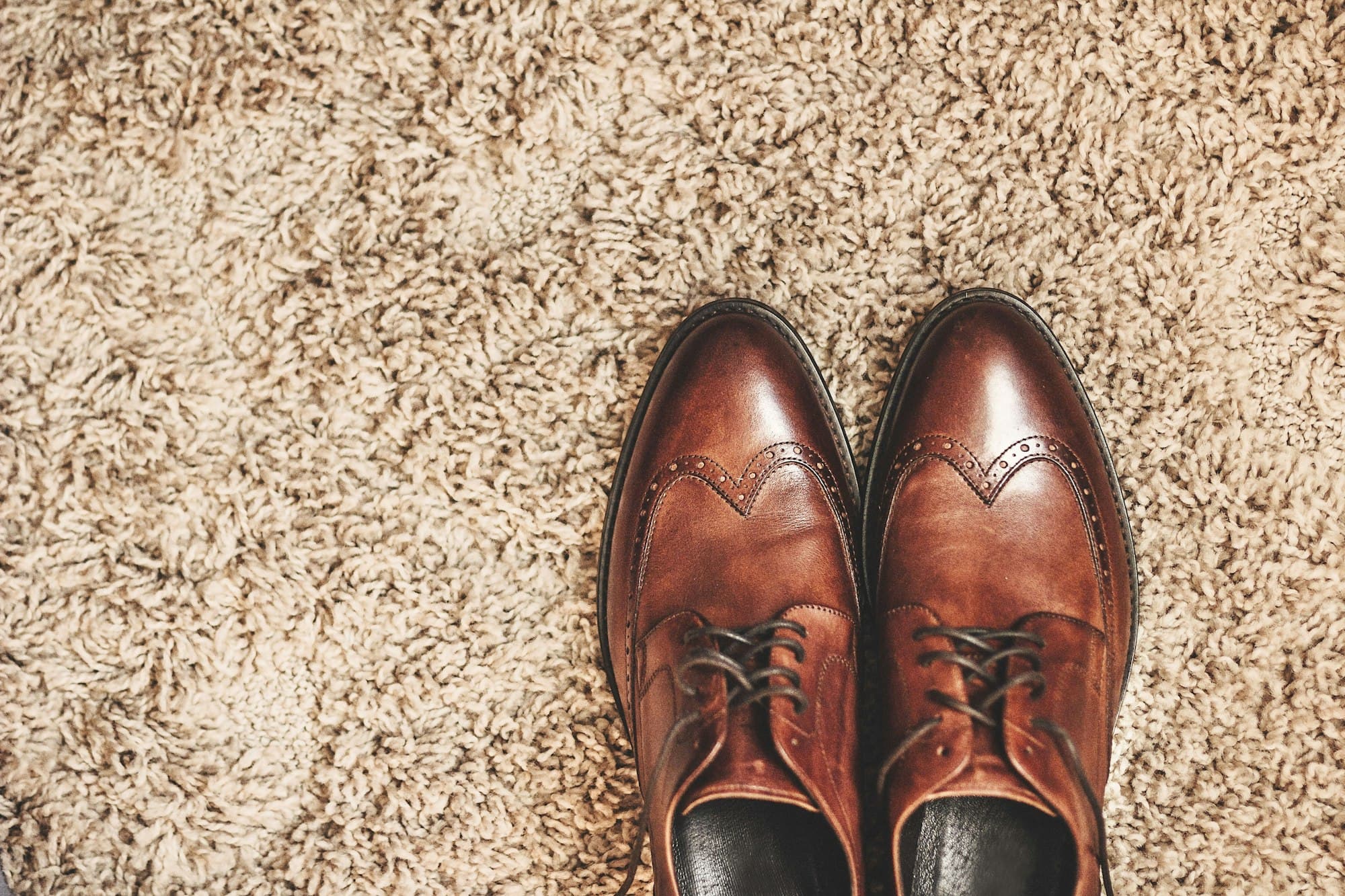
Belt and Shoe Colour Matching: A Simple Guide for Every Outfit
Black with black, brown with brown is the start. Here is how to match shades, metals and formality, and when you can relax the rules.
Buying guides
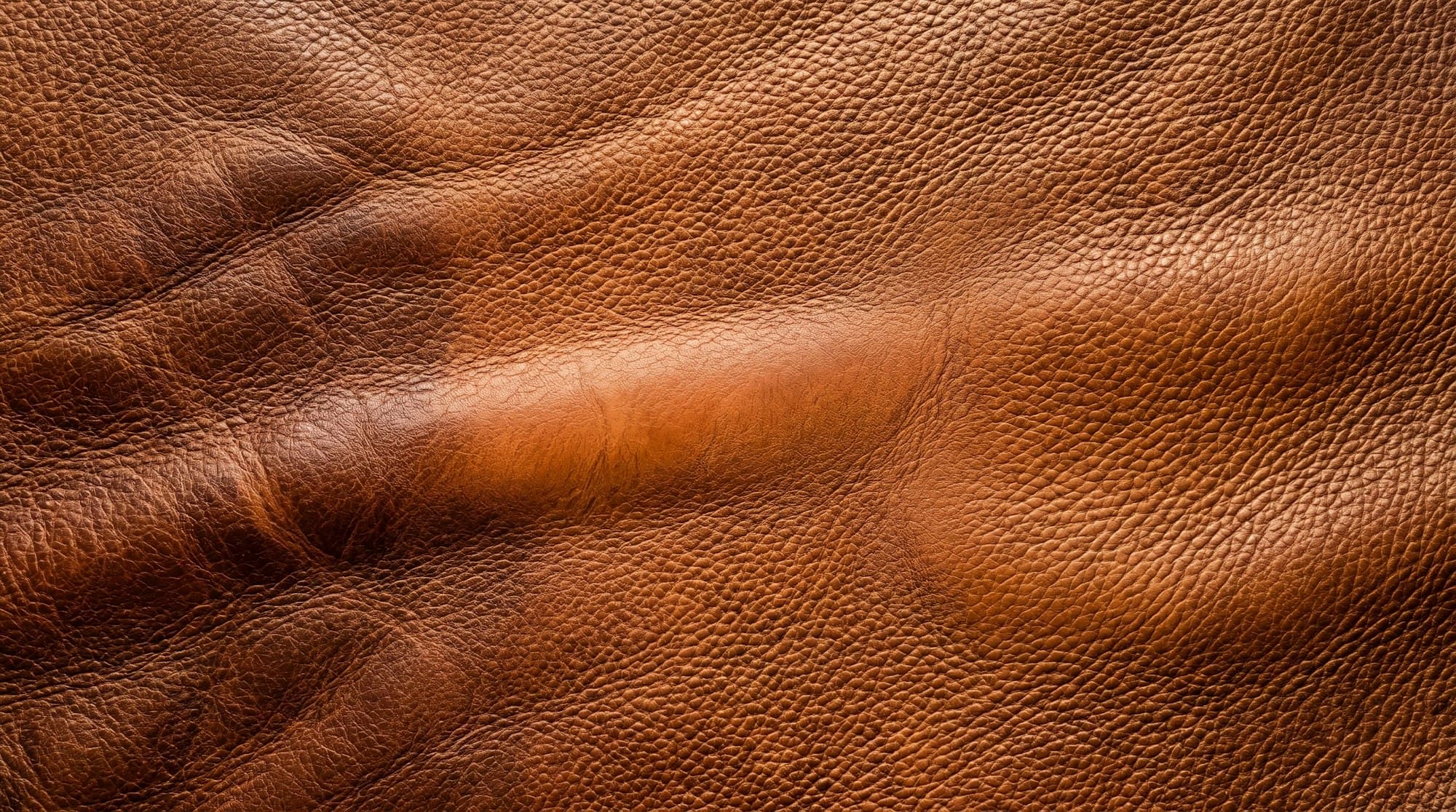
How to Check if a Belt Is Real Leather: 7 Tests You Can Do at Home
Labels like “pure leather” are easy to print. These seven checks, from the edge test to the water drop, tell you what a belt is really made of.