
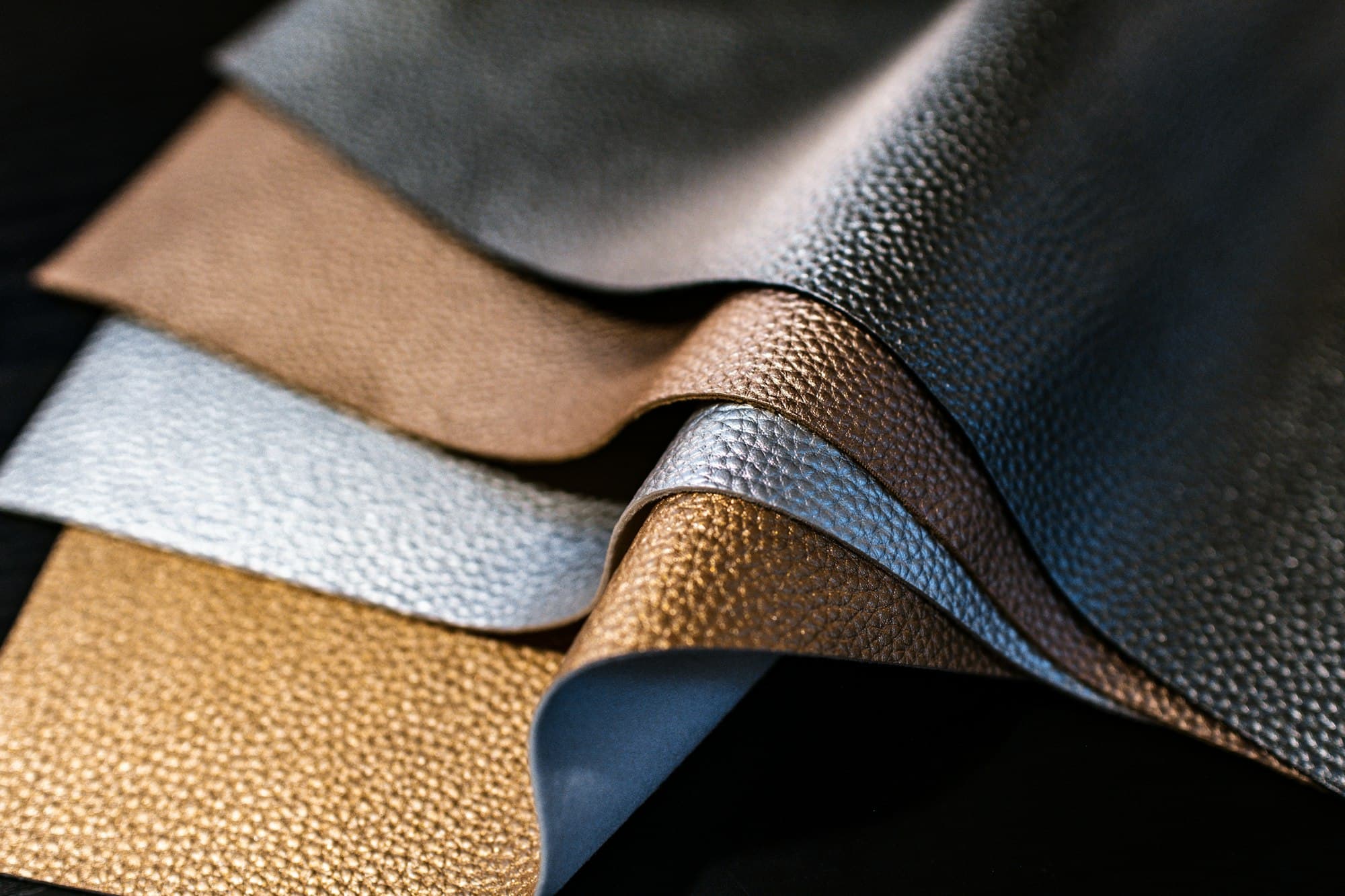
Full-Grain vs Top-Grain vs Genuine Leather: What Your Belt Is Really Made Of
“Genuine leather” sounds like a promise of quality. It is actually one of the lowest grades. Here is how leather grades work, and how to tell them apart on a belt.
Buying guides, by HIDEA Leather Desk, , updated , 3 min read
Walk into any market in India and you will see belts stamped "Genuine Leather". It sounds like a guarantee. In the leather trade it means something quite different: the belt contains some real leather, usually from the weakest part of the hide.
This guide explains the four grades you will see on belts, how each is made, and how to check which one you are holding.
How a hide is split
A cow hide is around 5–7 mm thick, too thick for most products. Tanneries split it horizontally into layers.
- The top layer carries the grain, the natural surface with its pores and markings. Its fibres are tight and interlocked, which makes it the strongest and most water-resistant part.
- The lower layers (the "split") have looser, more open fibres. They are weaker and have no natural surface, so they need to be coated or embossed to look like leather.
Every grade below comes from one of these layers.
Full-grain leather
Full-grain is the top layer with the grain left intact. Nothing is sanded off. You can see natural variations: small scars, pores and slight differences in colour.
Why it is best for belts: belts are bent at the same point every day and flexed at the holes. Full-grain's dense fibres survive this for years. It also develops a patina: it darkens, softens and gains character with wear, instead of wearing out.
How to recognise it: visible pores and slight irregularity on the surface; a fibrous, slightly fuzzy edge if the edge isn't painted; a rich smell; and it warms in your hand.
All HIDEA belts are full-grain.
Top-grain leather
Top-grain is also from the top layer, but the surface has been sanded or buffed to remove imperfections, then sprayed with a finish and often embossed with an artificial grain.
It is still real leather and reasonably strong, but sanding removes the toughest fibres, and the coating means it cannot develop a patina. Over time the finish can crack, especially at a belt's buckle fold.
How to recognise it: a very uniform, slightly plastic-looking surface; a repeated grain pattern; less natural smell.
"Genuine leather" (split leather)
Here is the surprise. "Genuine leather" in the trade usually means split leather: the lower layer, coated with polyurethane and embossed to imitate grain.
It is technically real leather, so the label is legal. But it is far weaker than full-grain, and on a belt the coating tends to peel and the fibres tear at the holes within a year or two.
How to recognise it: a shiny, painted surface; a stiff feel; and at a cut edge, a visibly different layer of coating over a looser, spongy core.
Bonded leather
Bonded leather is leather dust and scraps mixed with glue, pressed onto a fabric or paper backing and finished with PU. Some bonded products contain only 10–20% leather.
How to recognise it: it often peels in flakes, especially at bends; edges reveal fabric or paper layers; it smells of chemicals, not leather. Many of the cheapest "leather" belts sold online fall in this category.
PU and faux leather
PU (polyurethane) or PVC leather contains no leather at all. It can look convincing when new but cracks and peels with heat, which is a real problem in Indian summers.
Side-by-side comparison
| Grade | Layer | Surface | Durability on a belt | Patina |
|---|---|---|---|---|
| Full-grain | Top, intact | Natural | 10+ years | Yes |
| Top-grain | Top, sanded | Coated, embossed | 3–5 years | No |
| Genuine / split | Lower | Painted, embossed | 1–2 years | No |
| Bonded | Scraps + glue | PU coated | Months | No |
What this means when you buy a belt
- Ignore "genuine leather" as a quality signal. Look for the words full-grain.
- Look at the edge. A good belt shows one consistent leather layer or a well-painted edge, not a sandwich of materials.
- Bend it. Full-grain creases softly; coated leathers show fine cracks or whitening at the bend.
- Ask the seller. A brand selling full-grain will be happy to tell you. We are; just ask us on WhatsApp.
For a step-by-step test you can do at home, read how to check if a belt is real leather. And once you own a full-grain belt, here is how to care for it so it lasts.
Belts mentioned in this guide
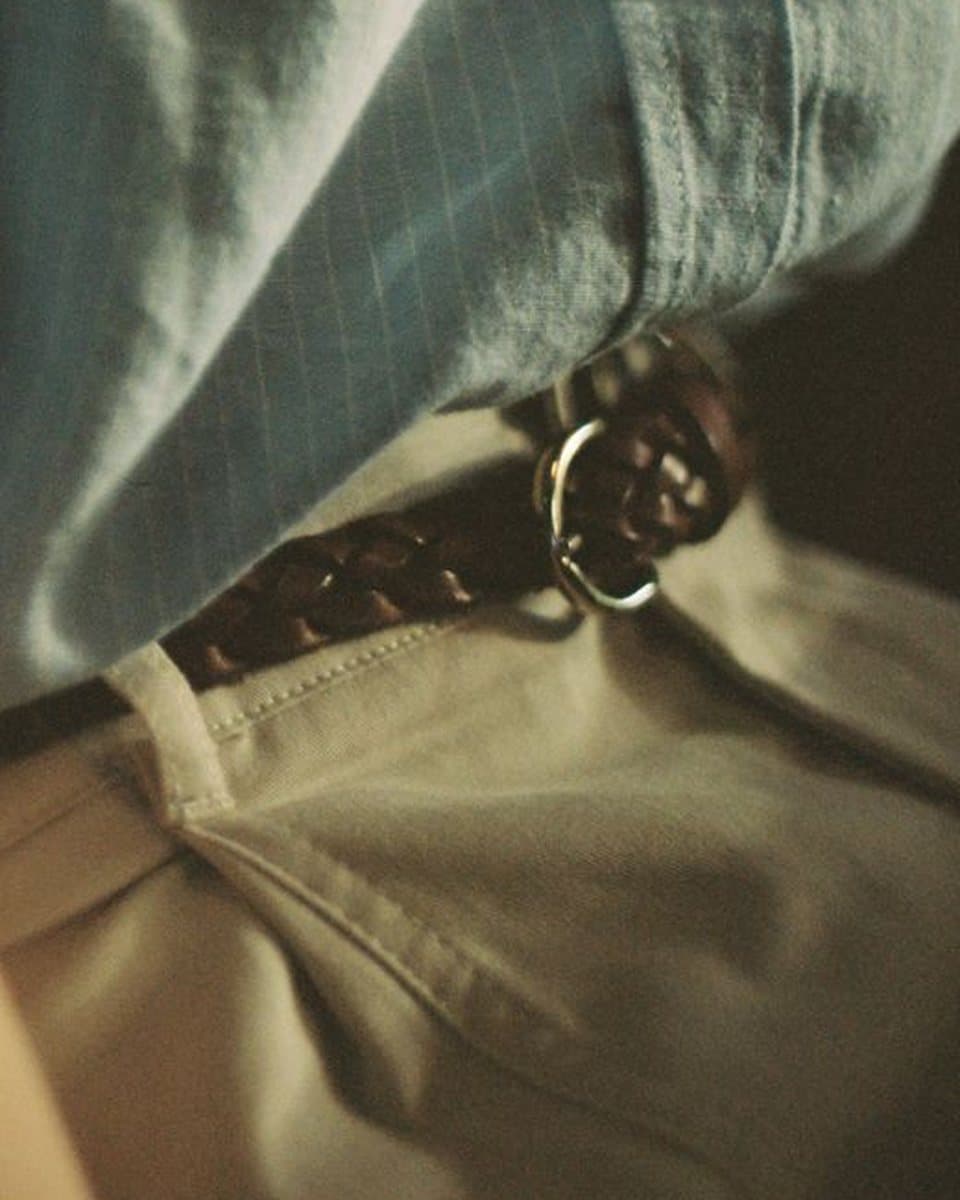 New arrival
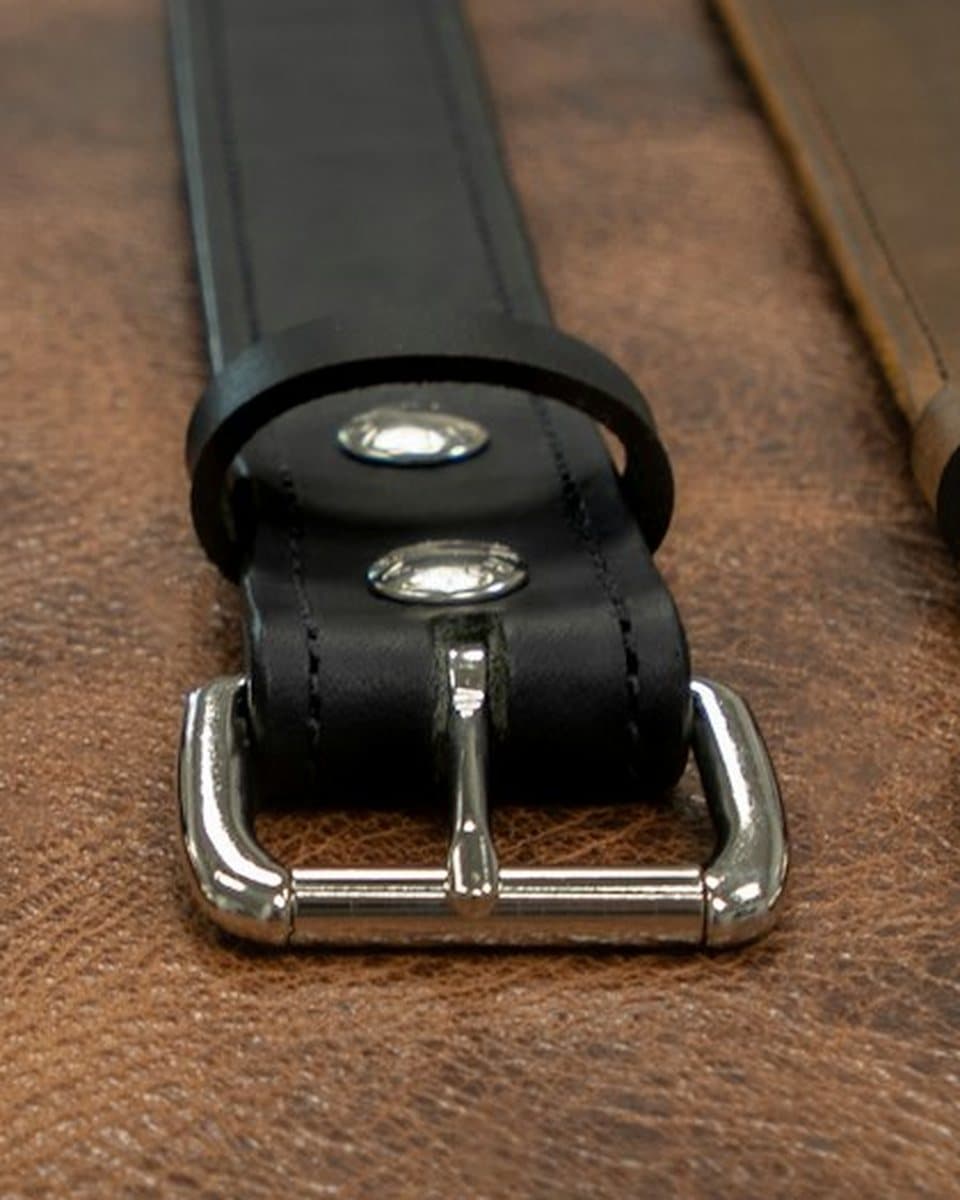
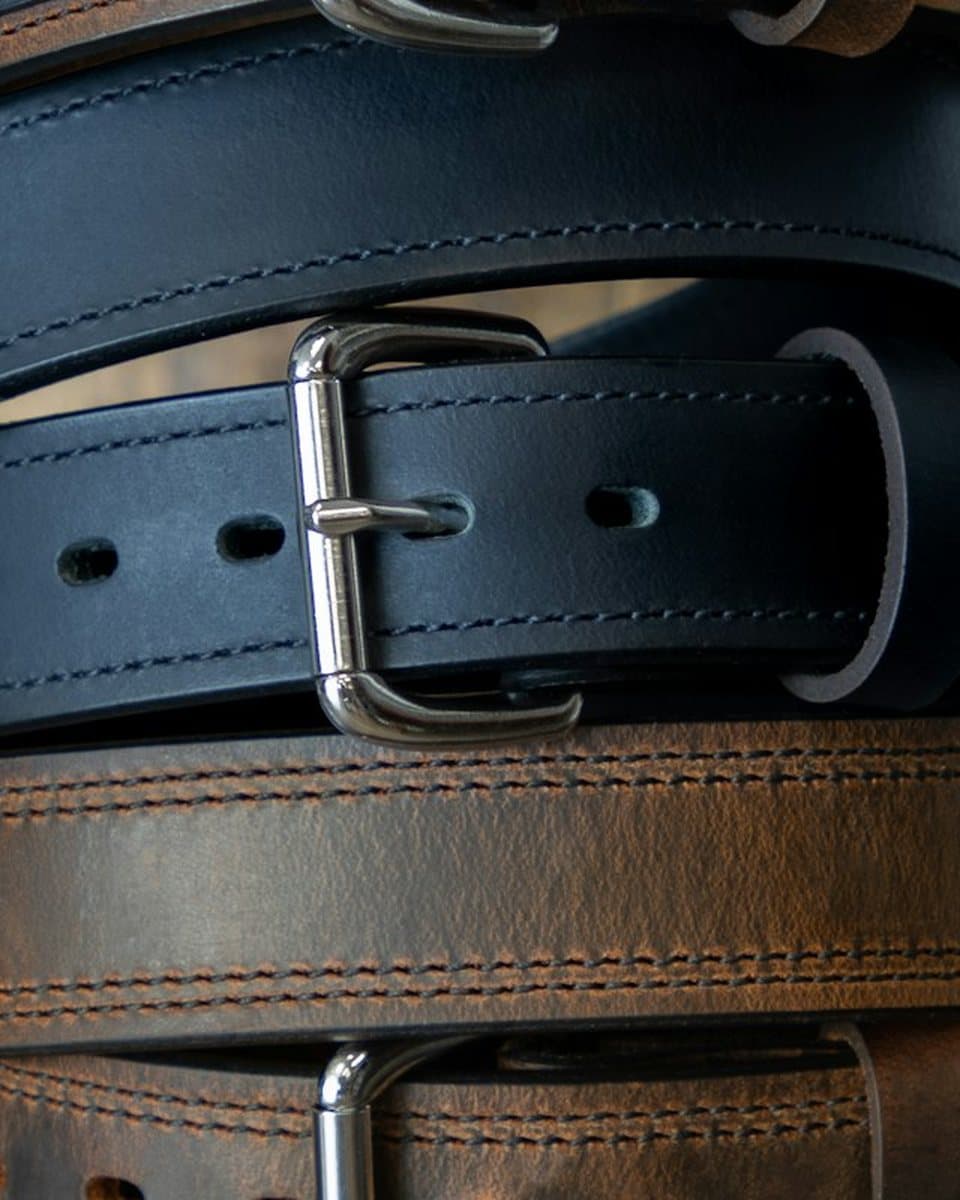 Bestseller
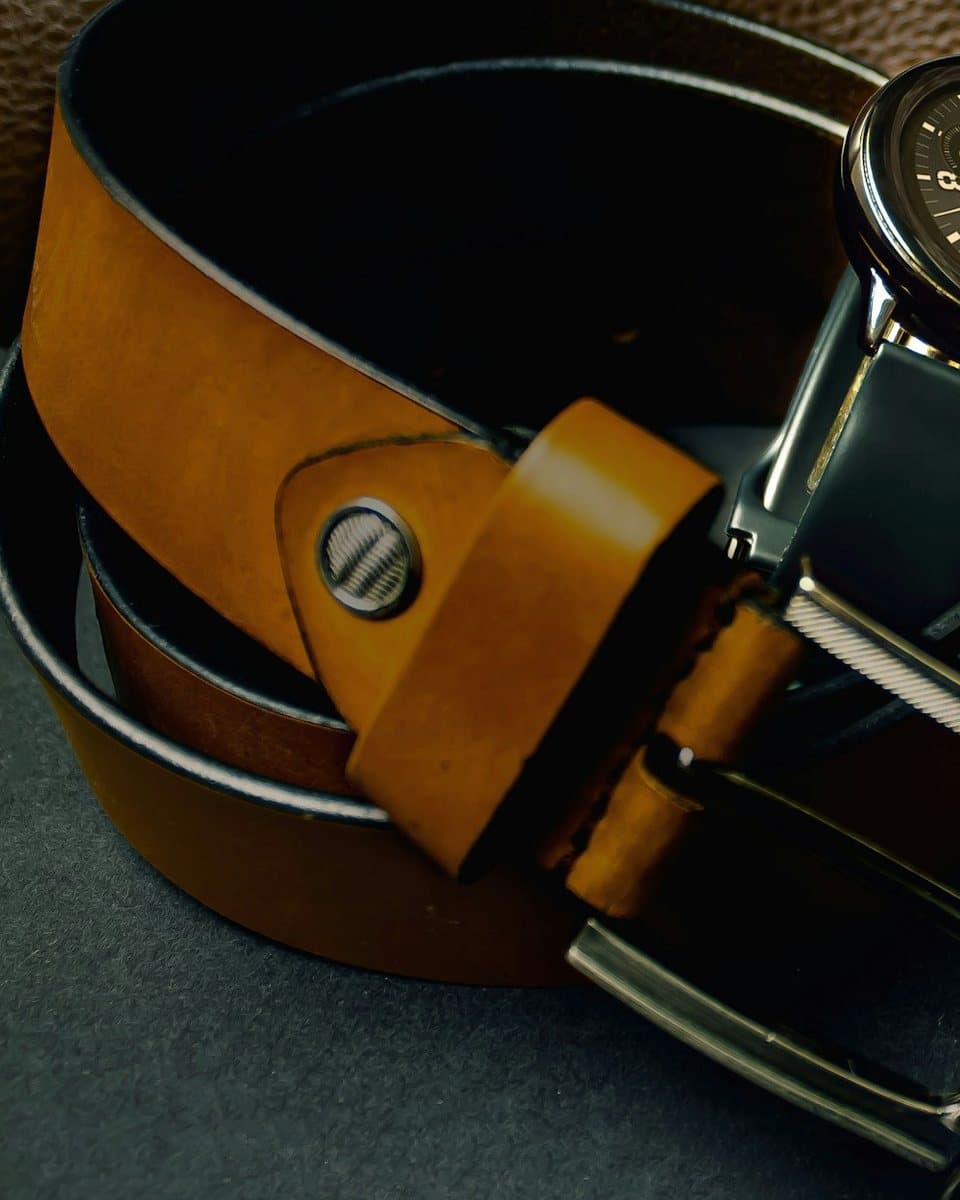
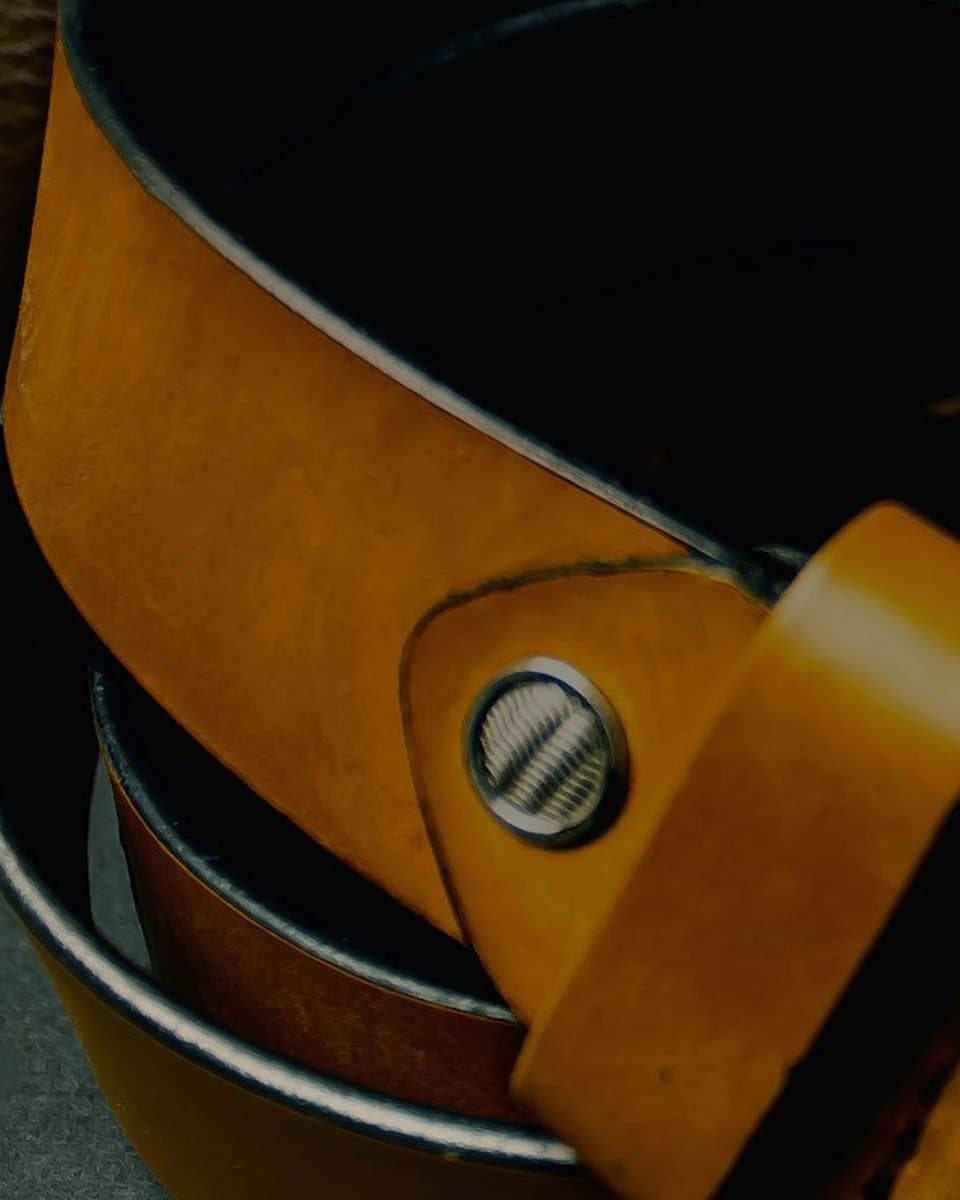 Bestseller
Keep reading
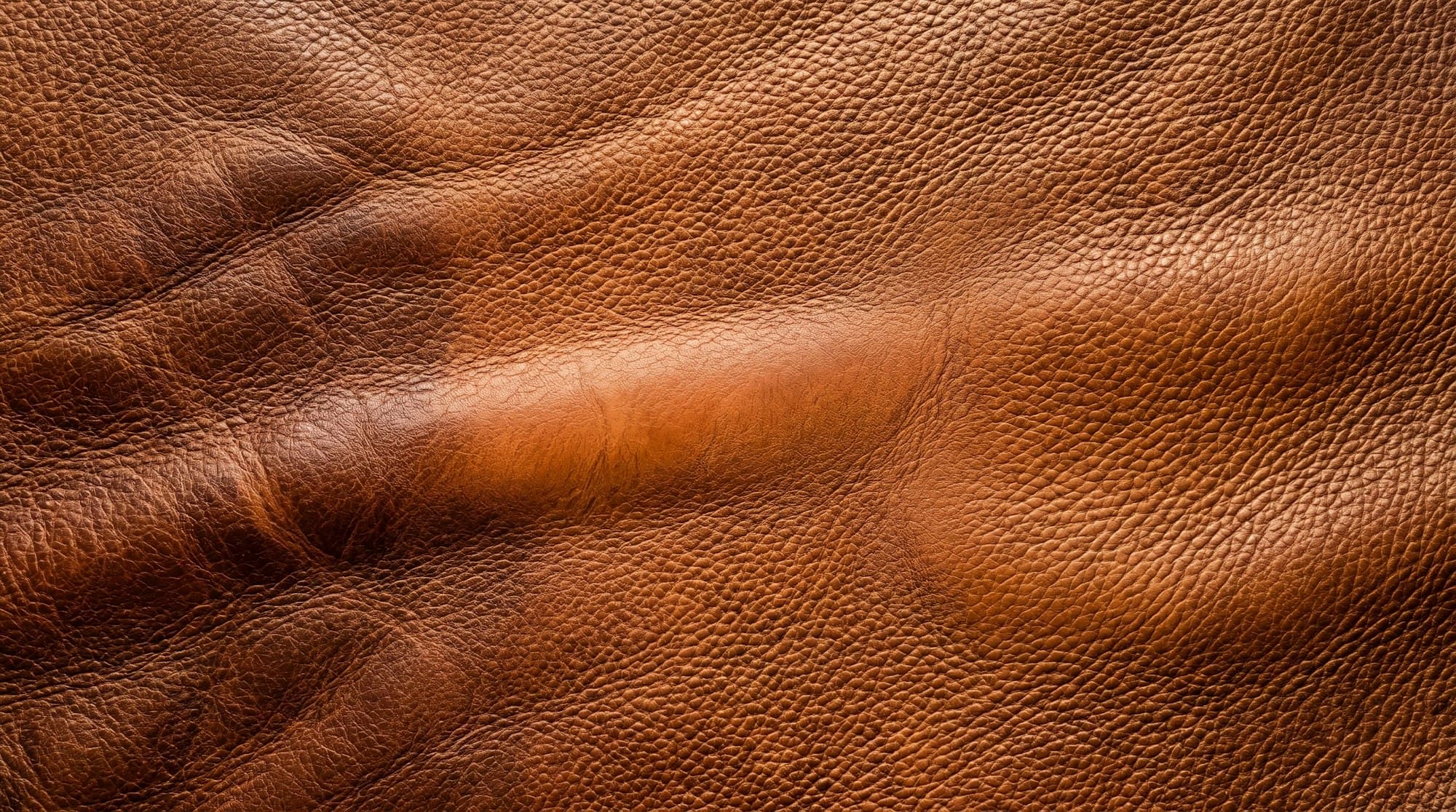
Buying guides
How to Check if a Belt Is Real Leather: 7 Tests You Can Do at Home
Labels like “pure leather” are easy to print. These seven checks, from the edge test to the water drop, tell you what a belt is really made of.

Buying guides
How to Choose a Leather Belt: Width, Colour, Buckle and Leather Explained
Five decisions determine whether a belt looks right: width, colour, buckle, leather and size. Here is how to make each one, and which belt to buy first.
Corporate
Corporate Gifting with Leather Belts: A Planner for Diwali, Clients and Employees
Leather belts are practical, personal and used every day, which is what a good corporate gift should be. Here is how to plan an order, budget it and avoid the sizing problem.