
How to Check if a Belt Is Real Leather: 7 Tests You Can Do at Home
Labels like “pure leather” are easy to print. These seven checks, from the edge test to the water drop, tell you what a belt is really made of.
Buying guides, by HIDEA Leather Desk, , updated , 3 min read
Online listings in India routinely describe belts as "pure leather", "100% genuine leather" or "original leather" at prices that make it impossible. These seven tests will tell you what you are actually holding. The first five are safe on any belt.
1. Look at the edge
This is the single most reliable test.
- Full-grain leather: one consistent material through the thickness. If unpainted, the edge looks fibrous, like compressed suede.
- Bonded leather or PU: a visible sandwich, with a shiny top coating, sometimes a fabric or paper layer, and a foam or cardboard core.
- Split leather: a thick plastic-like coating sitting on top of a spongy, loose-fibred layer.
Many cheap belts hide the edge under thick paint. Look closely at the holes, where layers are often visible.
2. Check the surface
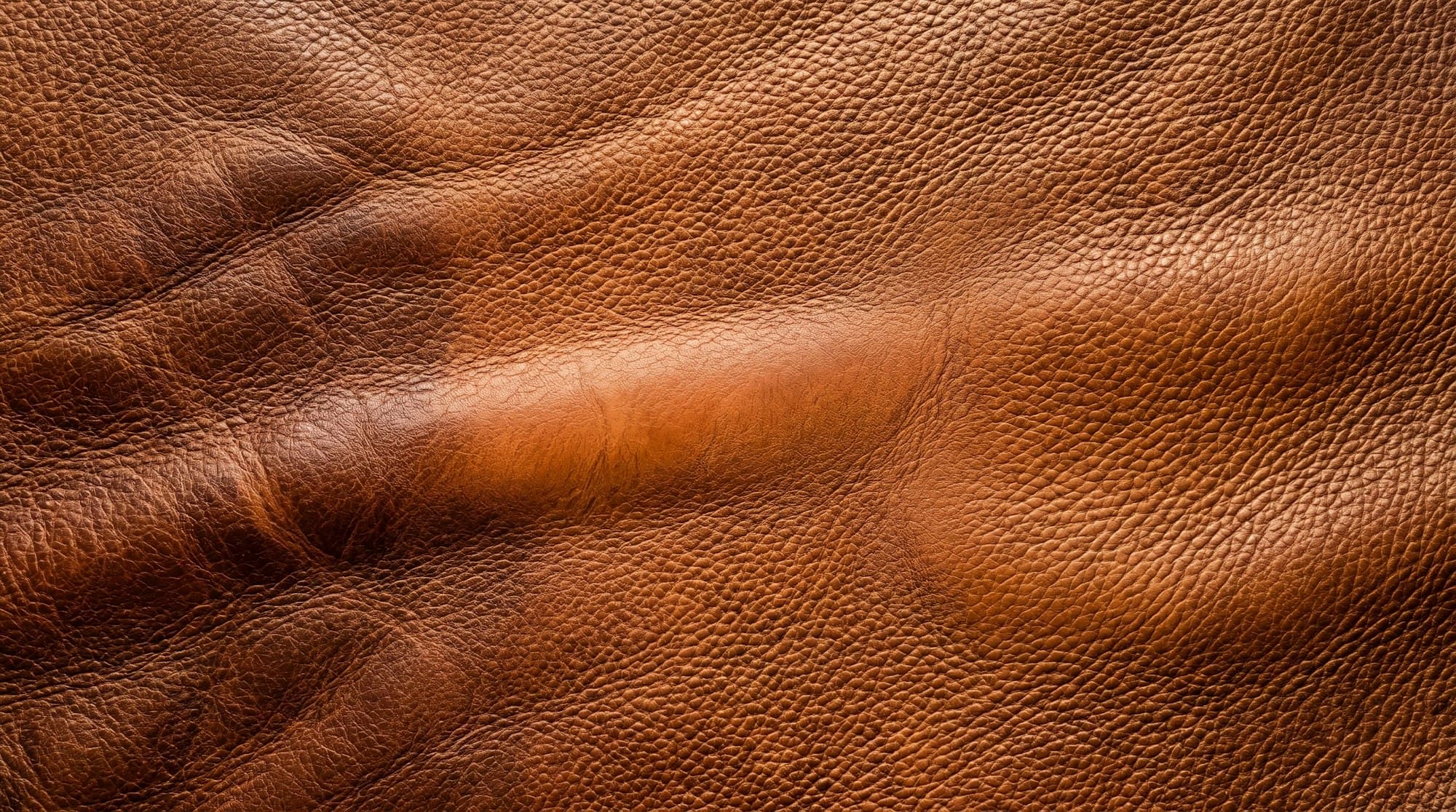
Real full-grain leather has pores and small irregularities: tiny scars, wrinkles, variations in colour. No two areas are identical.
Fake and corrected leathers have a uniform, repeating pattern, because the grain was embossed by a machine plate. If the texture repeats every few centimetres, it's not natural grain.
3. Bend it
Fold the belt back on itself.
- Real leather wrinkles softly and the colour may lighten slightly at the fold, then recover.
- Coated or synthetic leather stays rigid and smooth, or shows fine cracks in the coating.
4. Smell it
Real leather has a rich, slightly sweet, earthy smell. PU and bonded leather smell of plastic or chemicals. This is subjective but surprisingly useful once you've smelled a few genuine pieces.
5. Feel the temperature
Hold the belt in your hand for 30 seconds. Leather is a natural material that warms to your touch and feels slightly soft. Synthetic materials stay cool and feel slick.
6. The water drop test
Put a single drop of water on the back (flesh side) of the belt, somewhere discreet.
- Real, uncoated leather absorbs it within a minute and darkens slightly, then dries without a mark.
- Coated or synthetic material lets the water bead and sit on top.
Note: some full-grain belts have a protective finish on the front, so always test the back.
7. The flame test (use with caution)
Often recommended online, but it can damage the belt. If you must, hold a lighter flame briefly to the very edge of the tip for two to three seconds.
- Real leather chars slightly and smells like burnt hair.
- PU and PVC melt, shrink and smell like burning plastic.
We don't recommend this on a belt you plan to keep or return.
Red flags in online listings
- Price below about ₹800 for a "pure leather" belt with a metal buckle.
- "Genuine leather" with no mention of grain. This often means split leather.
- "Vegan leather", "PU", "PU leather" or "faux", which mean no leather at all.
- No close-up photos of the edge or back.
- "Leather" and "rexine" used interchangeably.
What to ask a seller
- Is it full-grain, top-grain, split or bonded?
- Is it a single strip or layered with a core?
- What is the buckle made of?
A brand selling full-grain answers in seconds. Ask us anything on WhatsApp. For the why behind these grades, read full-grain vs top-grain vs genuine leather.
Belts mentioned in this guide
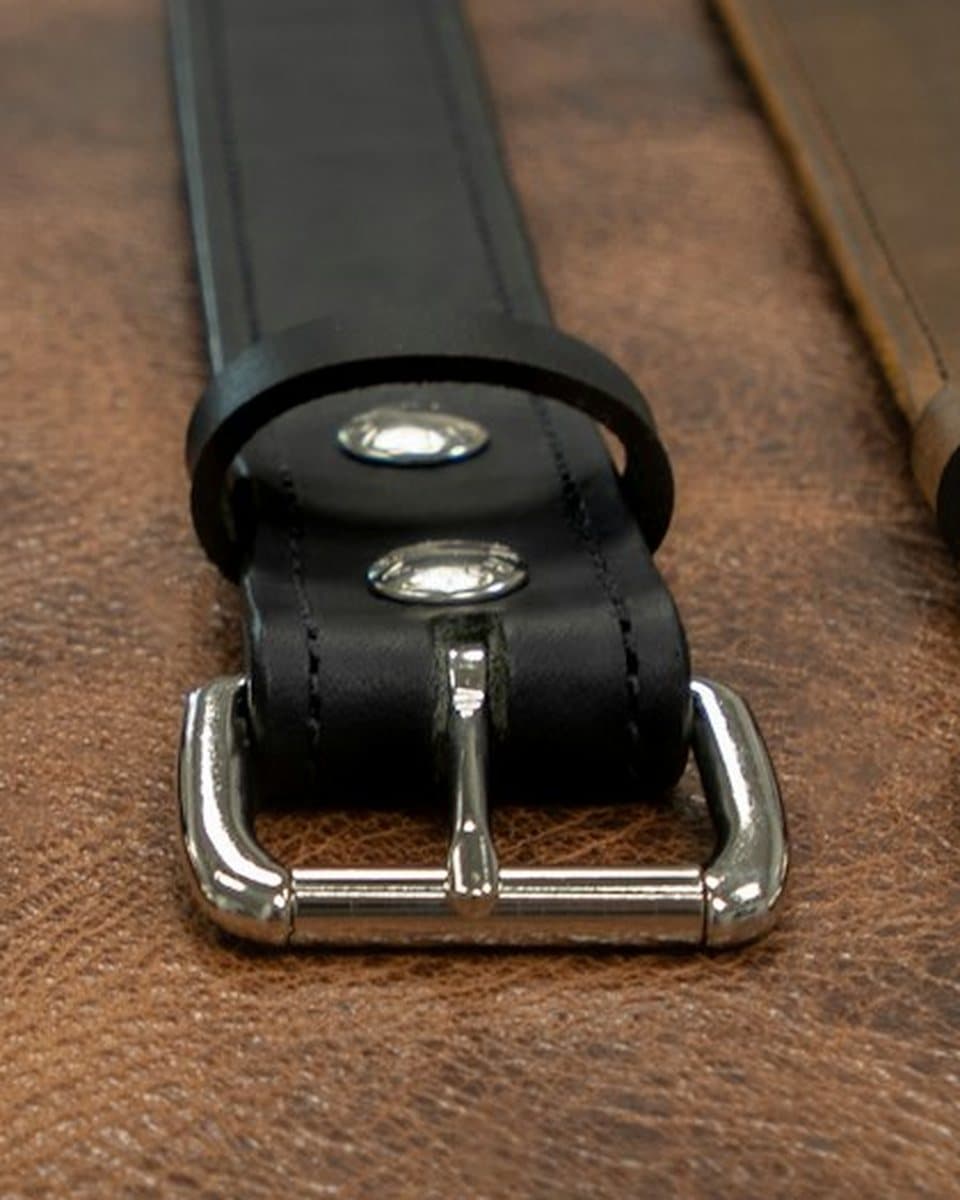
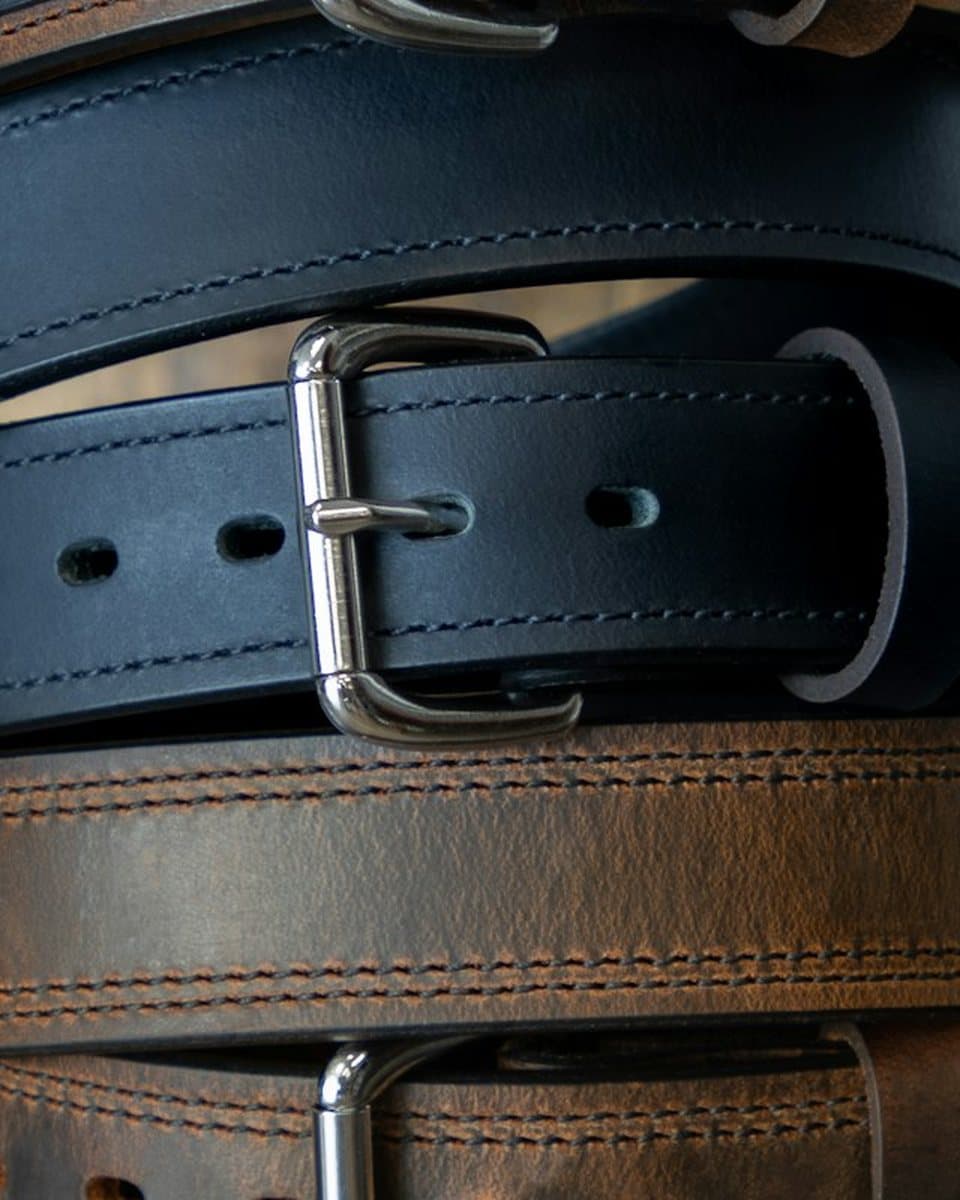 Bestseller
 Bestseller
Keep reading

Buying guides
How to Choose a Leather Belt: Width, Colour, Buckle and Leather Explained
Five decisions determine whether a belt looks right: width, colour, buckle, leather and size. Here is how to make each one, and which belt to buy first.
Buying guides
Full-Grain vs Top-Grain vs Genuine Leather: What Your Belt Is Really Made Of
“Genuine leather” sounds like a promise of quality. It is actually one of the lowest grades. Here is how leather grades work, and how to tell them apart on a belt.

Corporate
Corporate Gifting with Leather Belts: A Planner for Diwali, Clients and Employees
Leather belts are practical, personal and used every day, which is what a good corporate gift should be. Here is how to plan an order, budget it and avoid the sizing problem.