

How to Choose a Leather Belt: Width, Colour, Buckle and Leather Explained
Five decisions determine whether a belt looks right: width, colour, buckle, leather and size. Here is how to make each one, and which belt to buy first.
Buying guides, by HIDEA Leather Desk, , updated , 3 min read
A belt is a small thing, but the wrong one is noticeable: a chunky brass buckle with a suit, a thin shiny belt with heavy jeans, a brown belt with black shoes. Here are the five decisions that matter, in order.
1. Formal or casual?
Start with what you will wear it with most.
- Formal belts are slimmer (30–35 mm), smoother, often polished, with a small plain buckle. They go with suits, office trousers and formal shoes. See our formal belts.
- Casual belts are wider (35–40 mm), thicker, with more texture and a bigger buckle. They go with jeans, chinos and boots or sneakers. See casual belts.
One belt can do both if you choose a 35 mm belt in dark brown with a modest buckle. That's the brief behind our Classic Formal Leather Belt.
2. Width
| Width | Best for |
|---|---|
| 30 mm | Suits, slim formal trousers, weddings |
| 32–35 mm | Office trousers and chinos; most versatile |
| 38–40 mm | Jeans and heavy denim |
A simple check: the belt should fill most of your trouser loop without bunching.
3. Colour
The classic rule is match your belt to your shoes:
- Black shoes, black belt.
- Brown, tan or oxblood shoes, a brown belt close in depth.
- With sneakers, you have more freedom; tan and medium brown are the most versatile.
If you are building a wardrobe, buy in this order: black formal, dark brown, then tan casual. Or start with a reversible black and brown belt to cover the first two. Our belt and shoe colour guide goes into combinations.
4. Buckle
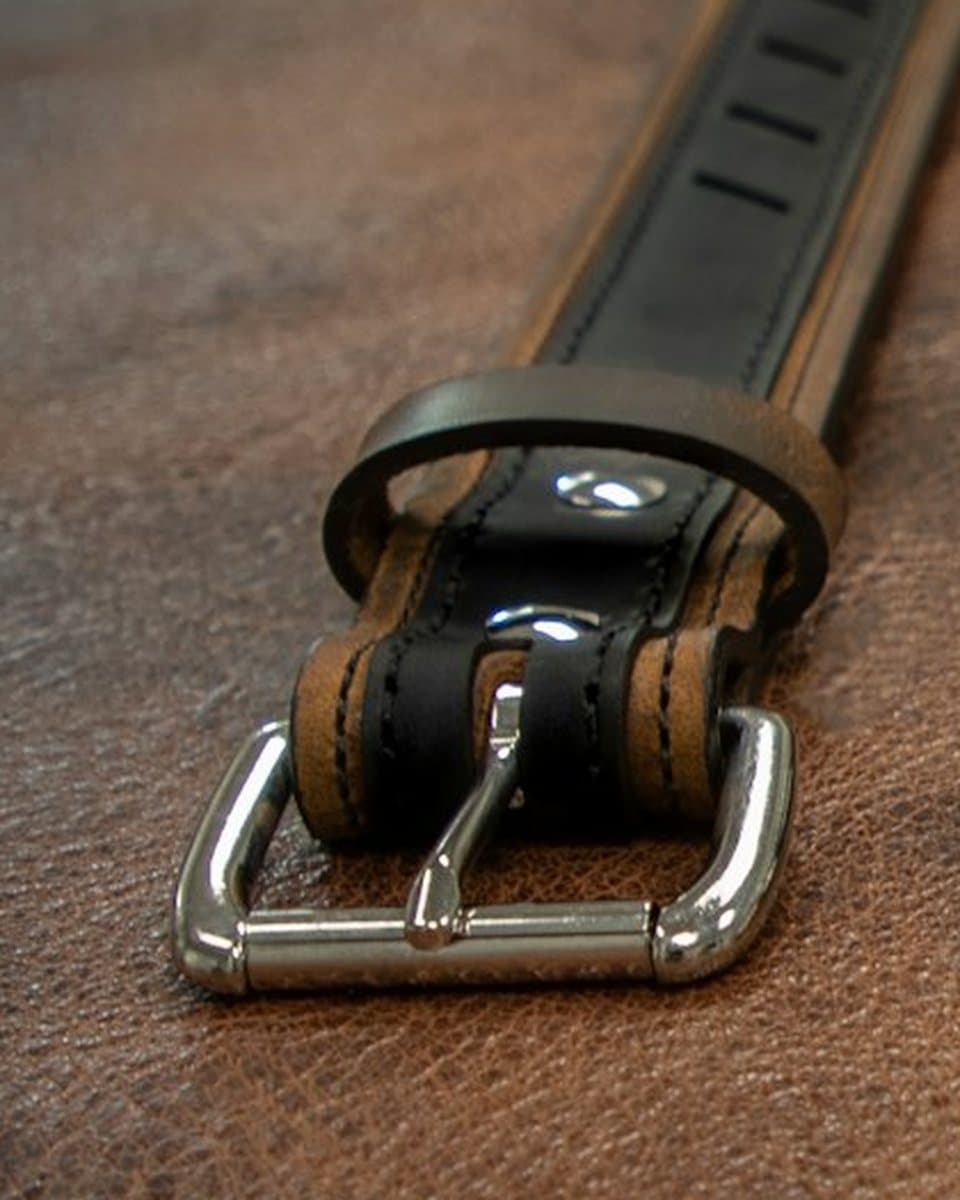
- Pin (prong) buckle: the classic. Works everywhere.
- Plate / auto-lock buckle: no holes, adjusts finely, clean modern look. Great for office wear and gifting.
- Reversible buckle: rotates to switch sides.
- Braided-belt buckle: for woven belts, fastens anywhere along the weave.
Match metals: if your watch is steel, a steel or gunmetal buckle looks more considered than brass.
5. Leather quality
This is the decision that determines whether the belt lasts one year or ten.
- Full-grain is the strongest and ages well.
- Top-grain is decent but coated.
- "Genuine leather" is usually split leather, weak at the holes.
- Bonded and PU peel and crack.
Our guide to leather grades explains each, and how to check real leather shows you how to test one yourself.
6. Size
Trouser waist + 2 inches. Full details in the size guide.
How much should a good leather belt cost in India?
Full-grain belts with solid hardware typically cost ₹1,400–₹3,500 in India from direct-to-consumer brands, and much more from international labels. Below about ₹800, it is very hard to make a belt from full-grain leather with a decent buckle, so a "pure leather" belt at ₹299 is almost certainly bonded or PU.
Our recommendations
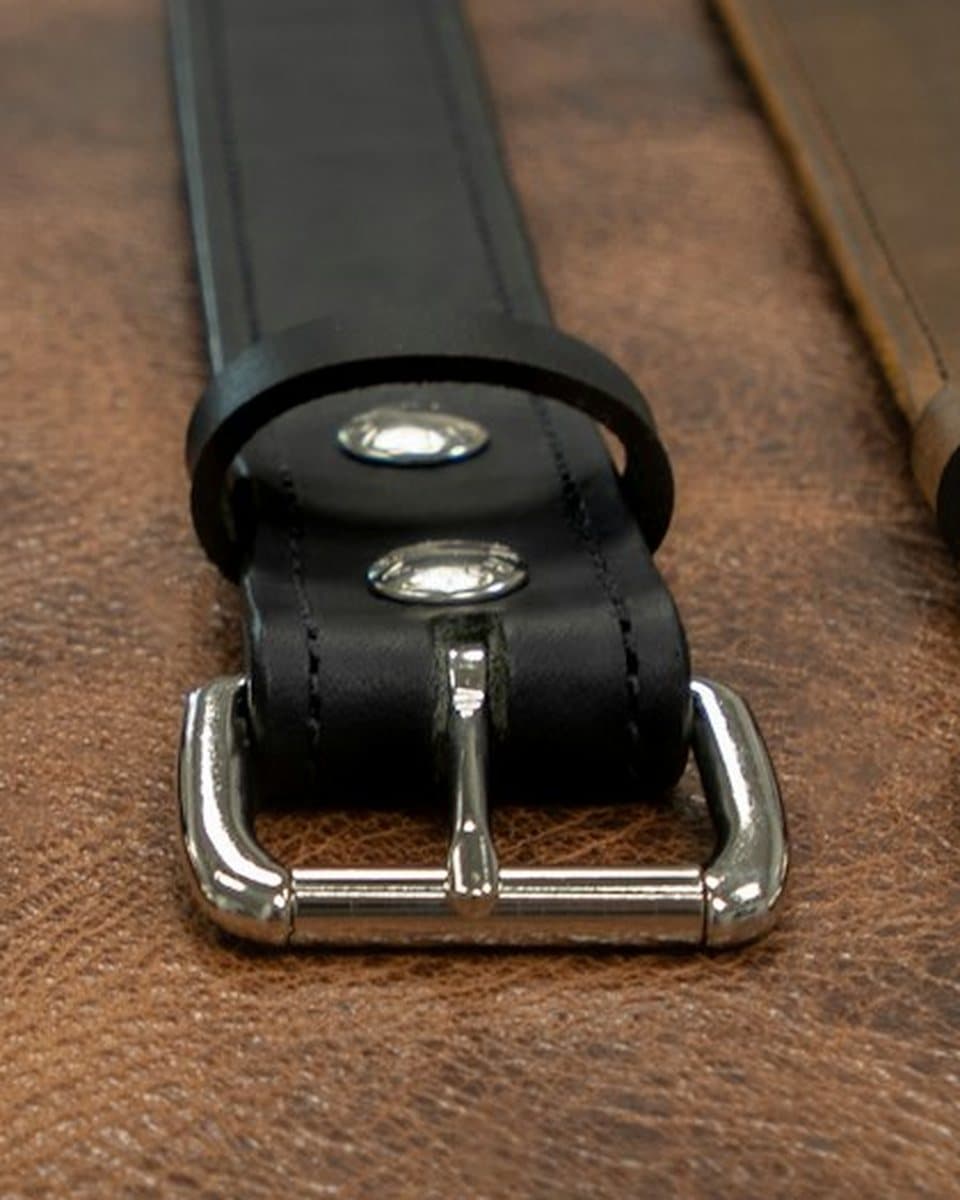
- First belt: Classic Formal Leather Belt in dark brown or black.
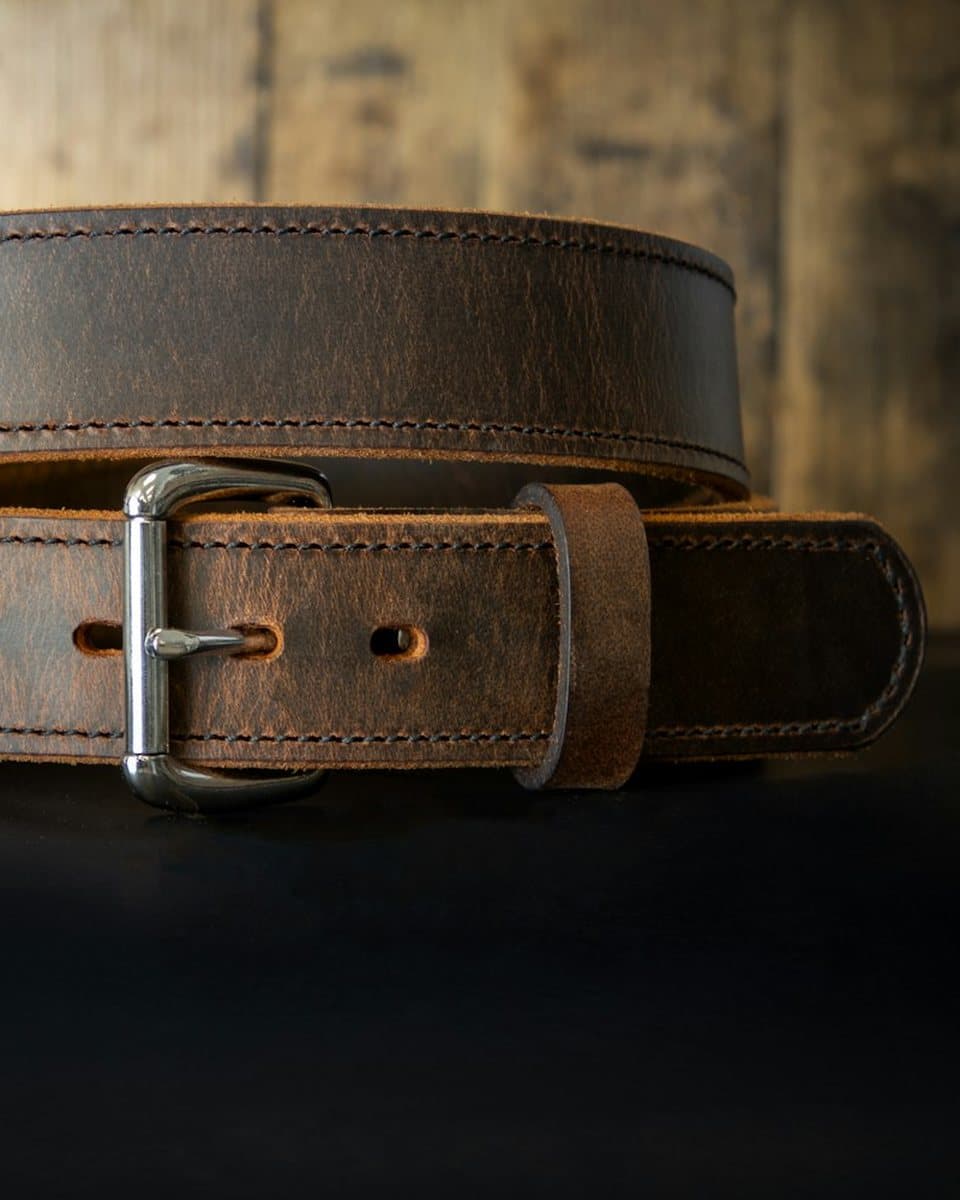
- For jeans: Heritage Brass Jeans Belt in tan.
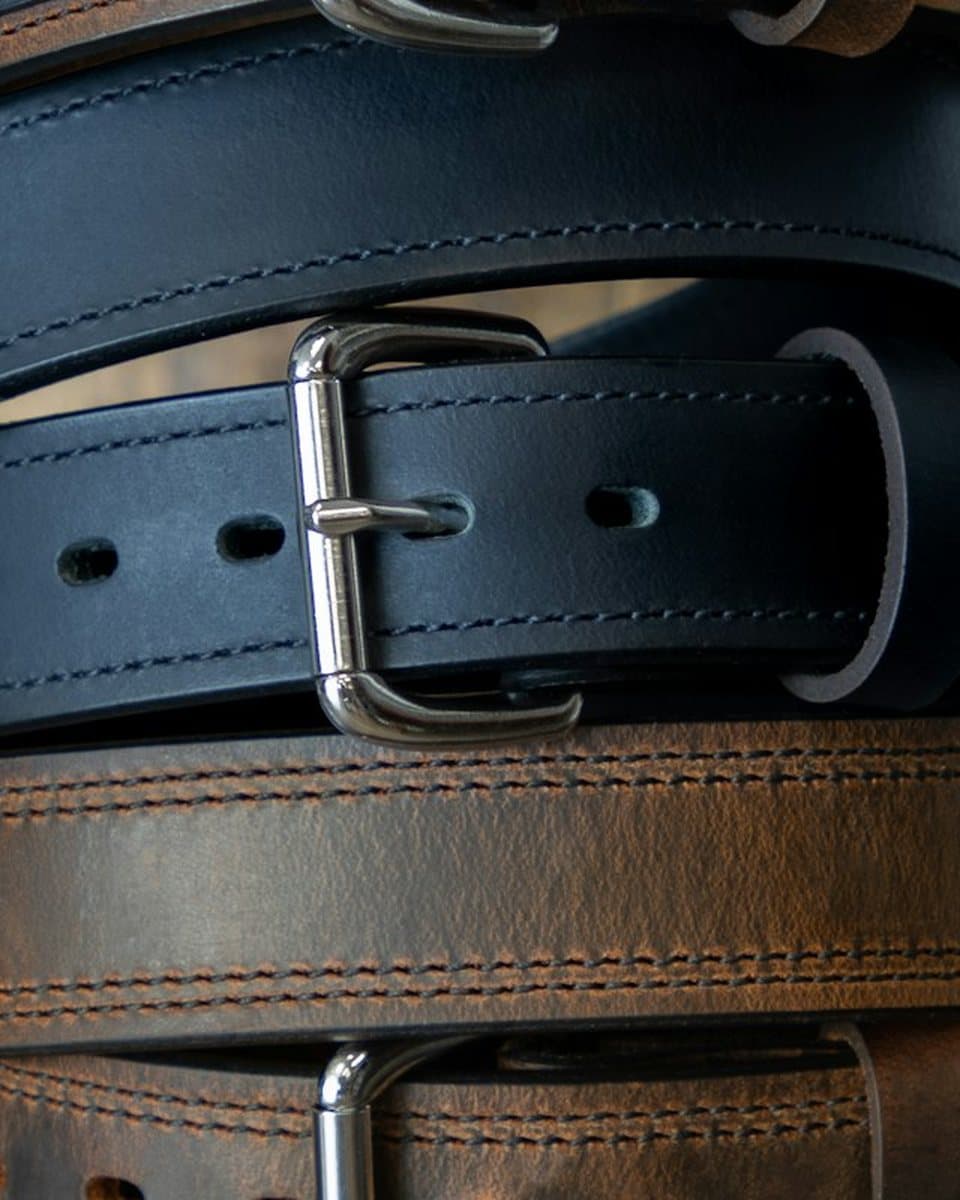
- Travel and gifting: Reversible Black & Brown Belt.
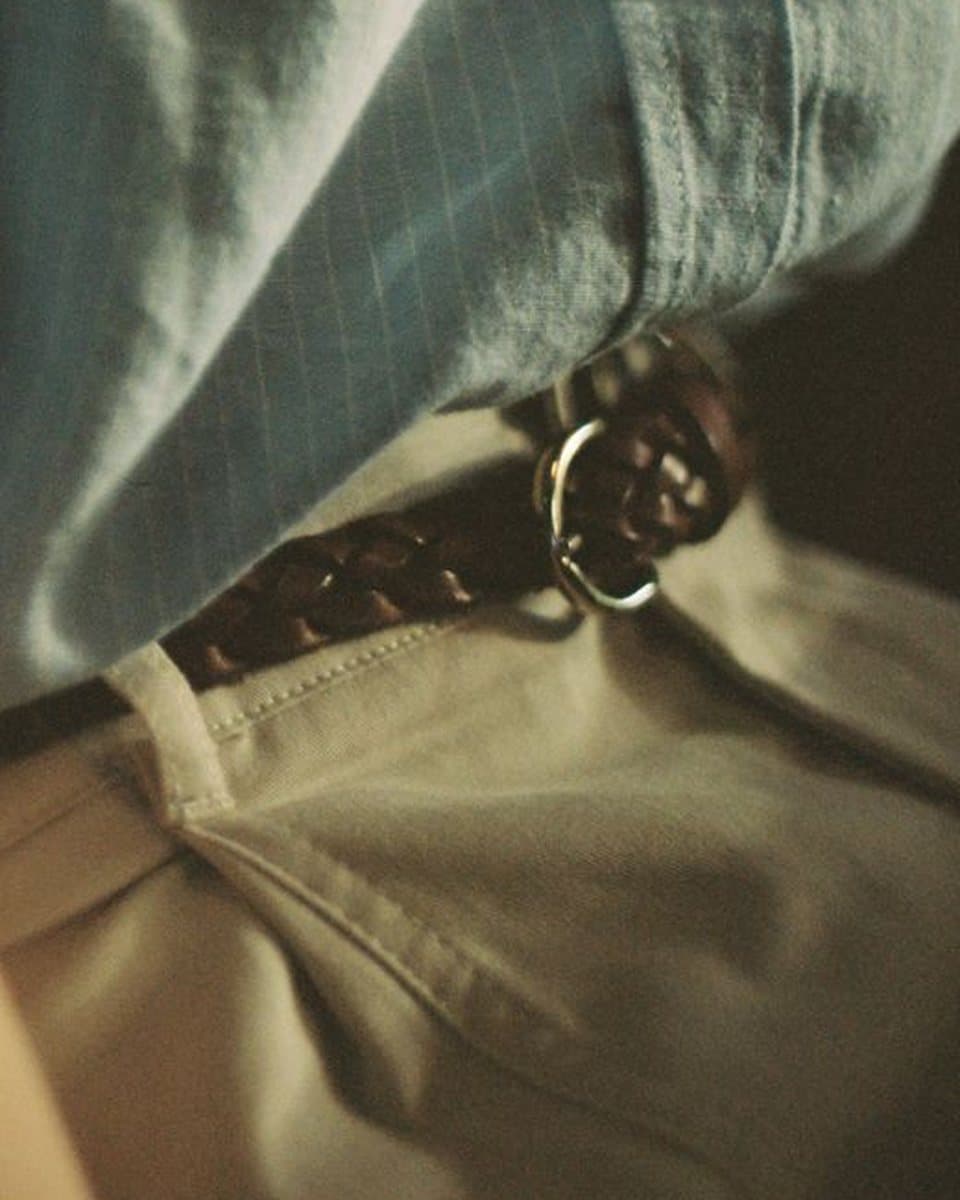
- Summer and holidays: Woven Braided Leather Belt.
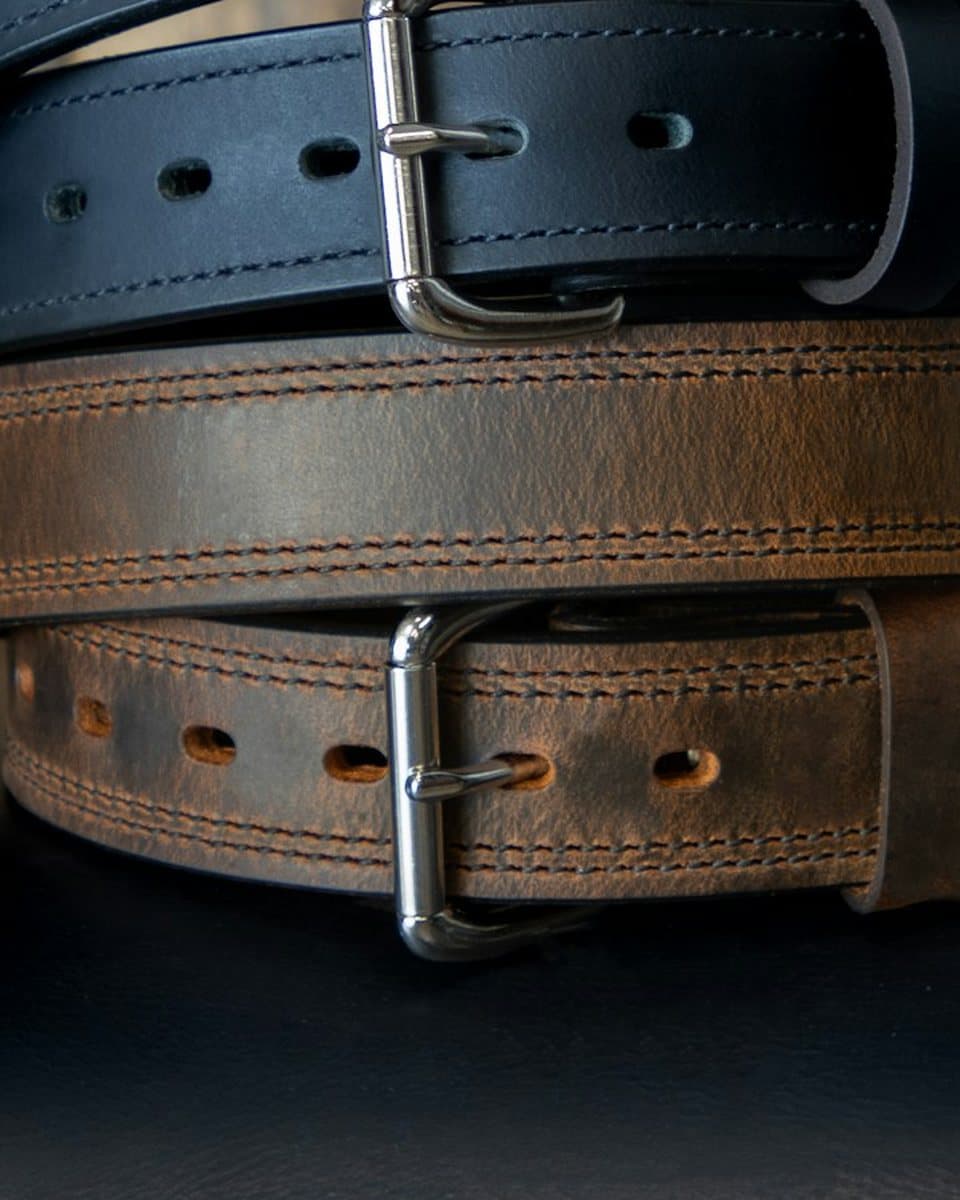
Belts mentioned in this guide
Keep reading
Buying guides
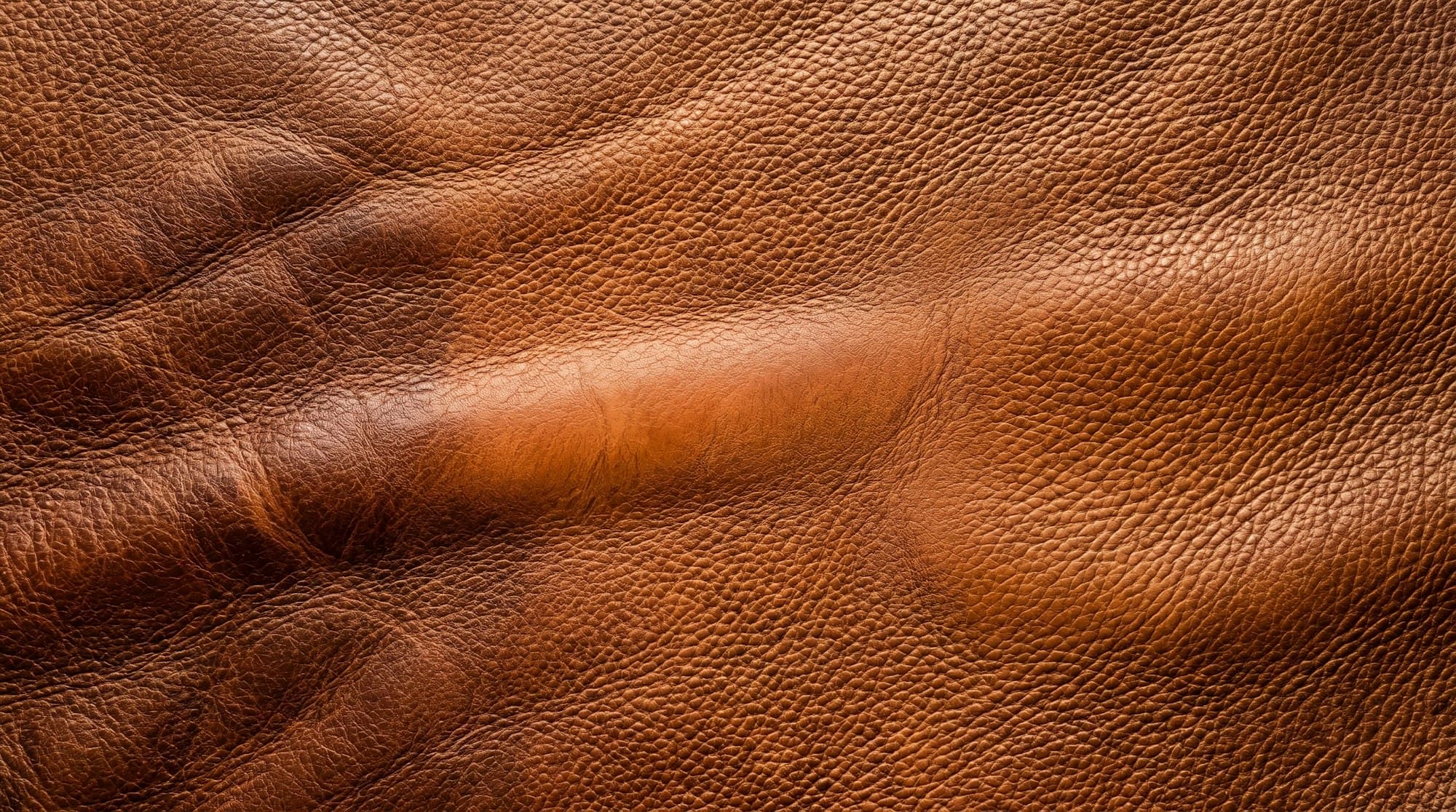
How to Check if a Belt Is Real Leather: 7 Tests You Can Do at Home
Labels like “pure leather” are easy to print. These seven checks, from the edge test to the water drop, tell you what a belt is really made of.
Buying guides
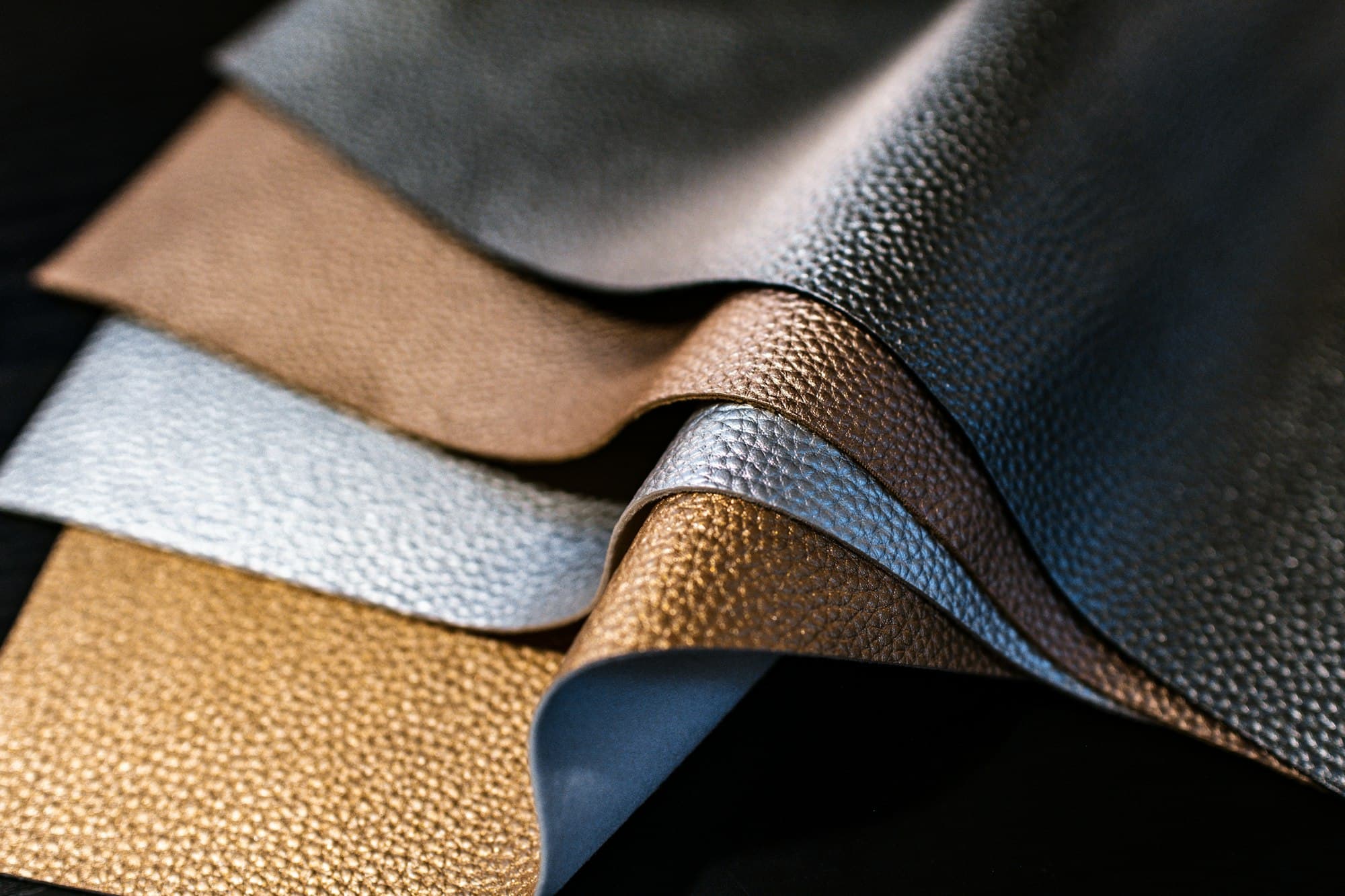
Full-Grain vs Top-Grain vs Genuine Leather: What Your Belt Is Really Made Of
“Genuine leather” sounds like a promise of quality. It is actually one of the lowest grades. Here is how leather grades work, and how to tell them apart on a belt.
Corporate
Corporate Gifting with Leather Belts: A Planner for Diwali, Clients and Employees
Leather belts are practical, personal and used every day, which is what a good corporate gift should be. Here is how to plan an order, budget it and avoid the sizing problem.